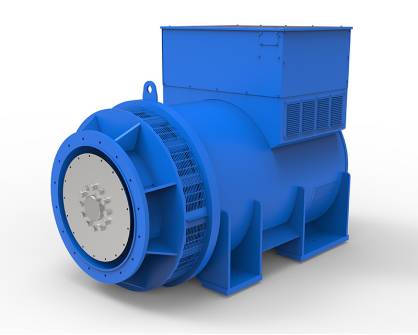
Industrial power systems demand absolute electrical stability to keep critical infrastructure running smoothly. For engineering, procurement, and construction (EPC) contractors, ensuring a consistent power supply means understanding the fundamental mechanics of electricity creation. At the heart of this process is the alternator, which converts mechanical rotational energy from an engine into usable alternating current. The absolute stability of this alternating current is defined by its frequency.
When specifying components for a reliable 4 pole generator system, engineers must focus heavily on the alternator’s design. The alternator directly dictates how smoothly and consistently that frequency is delivered to demanding environments. Whether deployed in expansive data centers or massive mining operations, the engineering quality of the electrical component plays a key role in maintaining continuous operational uptime.
The Physics of Conversion and Material Integrity
Frequency represents the number of electrical cycles completed per second, directly correlating to the rotational speed of the mechanical engine and the internal magnetic configuration of the alternator. In a four-pole configuration, the internal magnetic fields interact with the rotating mechanical components to produce a stable frequency output tailored specifically for heavy industry. Maintaining this exact frequency under fluctuating, continuous loads is a massive engineering challenge for power solution providers.
If the electrical hardware fails to maintain consistent cycles, sensitive equipment in commercial buildings or remote oil and gas exploration sites can suffer catastrophic damage and severe operational downtime. Therefore, dedicated industrial manufacturing is required to support the long-term reliability of this complex conversion process. Professional alternator manufacturers achieve this operational stability by strictly utilizing premium raw materials throughout their assembly processes.
When an electrical component is built with high-grade inputs, its internal architecture can safely endure the immense thermal and mechanical stress of continuous power generation. Superior materials inherently prevent physical degradation over extended periods, which directly protects the integrity of the magnetic fields required for consistent frequency generation. By aggressively avoiding standard, lower-grade components, facility operators ensure their power plants maintain stable electrical cycles long after generic parts would typically fail under the exact same industrial conditions.
Spatial Integration in a 3 mw generator System
The physical integration of the electrical converter with the mechanical prime mover also plays a crucial role in long-term frequency management. A complete power unit must operate harmoniously; the engine provides the exact rotational mechanical speed, and the alternator translates that speed into a stable electrical frequency. When global builders construct an expansive industrial 3 mw generator system, carefully aligning these two main components inside a shared, often restricted canopy is absolutely essential.
Any structural misalignment or severe spatial constraint can complicate the assembly phase and potentially impact the mechanical stability of the rotating shaft, which in turn could drastically disrupt the electrical frequency. Opting for a highly specialized industrial alternator that features a compact structure design significantly mitigates these physical integration risks. A streamlined physical footprint reduces the overall installation space required, inherently lowering installation costs and ensuring the alternator pairs seamlessly with heavy-duty mechanical engines.
This deliberate structural efficiency allows assembly teams to focus entirely on perfect mechanical alignment rather than fighting spatial limitations inside emergency power systems. Better mechanical integration translates directly to smoother physical rotation. Consequently, this precise alignment helps support a more stable electrical frequency output for the final industrial end user.
Advancing Electrical Consistency Through Independent R&D
Achieving absolute precision in frequency generation requires partnering with an independent R&D brand dedicated entirely to the science of alternators. Because these specialized manufacturing companies do not produce engines or complete generator sets, they are able to dedicate their entire engineering bandwidth strictly to refining electrical conversion. This hyper-focused industrial approach yields significant technical advancements that directly benefit EPC contractors worldwide.
For example, EvoTec’s portfolio of 45 nationally registered industrial design patents reflects its sustained investment in product development, structural optimization, and practical installation design. This design-focused approach supports compact alternator construction, robust mechanical integration, and reliable operation in demanding industrial applications. When paired with an appropriately configured engine, AVR, and control system, the alternator can contribute to stable electrical output under continuous and variable load conditions..
Access to meticulously researched engineering allows power solution providers to select exactly what they need from a wide product range, including low voltage, high voltage, and specialized marine alternators. By matching the precise alternator architecture to the specific demands of a heavy-duty facility, engineers guarantee that the required frequency output remains rock-solid across various critical global infrastructure projects, eliminating the costly guesswork associated with generic hardware procurement.
Protecting Infrastructure with Predictable Supply Chains
The ultimate goal of understanding and strictly managing electrical frequency is to ensure continuous, uninterrupted uptime for demanding industrial sectors. Reaching this critical operational goal requires not just superior engineering, but also a deeply reliable logistical foundation. Partnering with an alternator supplier that maintains stable production capacity ensures that highly engineered, frequency-stable components are ready precisely when construction schedules demand them.
Fast delivery entirely prevents rushed, potentially hazardous installations on the job site. Predictable logistics preserve the careful mechanical alignment necessary for generating stable power cycles from day one. Furthermore, deploying critical power hardware in massive facilities requires long-term financial and operational security. Utilizing equipment backed by a robust, standard two-year warranty explicitly demonstrates the manufacturer’s absolute confidence in their premium raw materials and patented structural designs.
This 24-month warranty coverage allows facility managers to construct durable power architectures without the constant fear of premature electrical breakdowns. By prioritizing specialized components from a proven independent brand like EvoTec Power, procurement teams actively secure the most stable, reliable alternating current foundation available for modern heavy industry.
