Digital dentistry is changing the way dentists approach restorative treatments. Traditional workflows often require multiple appointments because patients may need to wait for laboratory fabrication, transportation, and additional fitting procedures before receiving their final restoration.
With the development of chairside manufacturing technologies, dental professionals can now complete more steps within the clinic environment. Chairside 3D printing combines digital scanning, design software, and advanced printing technology to shorten production cycles and improve treatment efficiency.
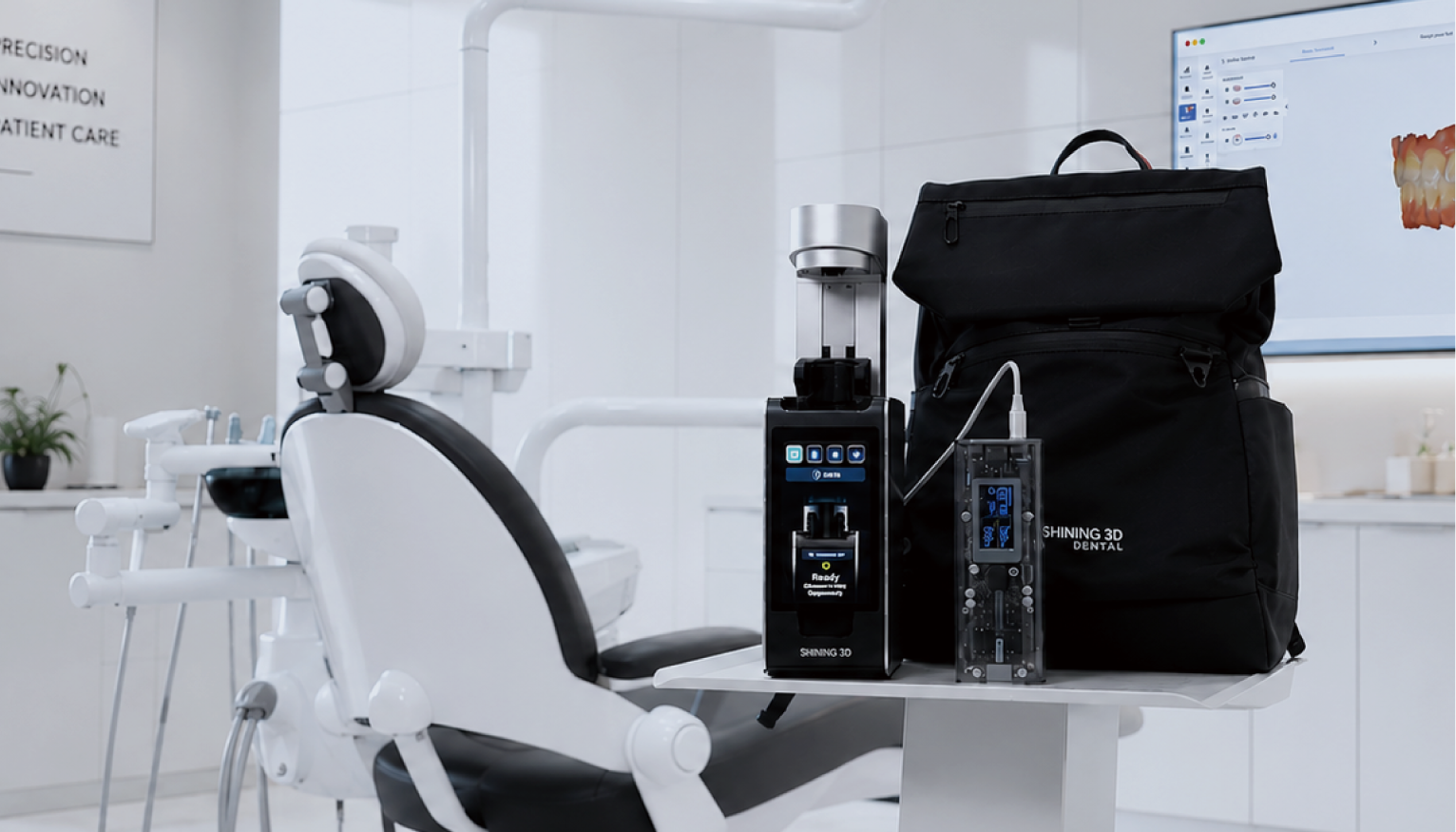
For clinics exploring a dental resin 3D printer, understanding how in-office production supports single-visit workflows is becoming increasingly important. SHINING 3D Dental’s Ceramix-Nano is designed for chairside digital restoration workflows, integrating printing and curing functions in a compact system to support same-day restorative applications.
What Is Chairside 3D Printing?
Chairside 3D printing refers to the process of producing dental restorations or devices directly within the dental clinic instead of relying entirely on external laboratories.
The workflow typically includes:
- Digital patient scanning
- Computer-aided design3D printing
- Post-processing
- Final clinical placement
This approach allows dentists to manage more steps during a single appointment, improving workflow control and reducing waiting time.
Unlike traditional production methods, chairside 3D printing creates a direct connection between digital patient data and physical dental products. This helps dental professionals respond faster to patient needs while maintaining customized treatment planning.
Why Single Visit Dentistry Is Growing?
Patients increasingly value shorter treatment timelines and fewer appointments. Single visit dentistry aims to provide efficient care by reducing unnecessary delays between diagnosis, design, manufacturing, and delivery.
For dentists, this approach can improve scheduling flexibility and reduce dependence on external production processes. A well-designed digital workflow supported by a dental resin 3D printer can help clinics move closer to immediate treatment solutions while maintaining professional standards.
How Chairside 3D Printing Enables Same Day Treatment?
- Digital Scanning Replaces Traditional Impressions
The first step in a chairside workflow is collecting accurate patient data. Instead of using traditional impression materials, dentists can use intraoral scanners to capture digital information.
The digital scan provides detailed information about tooth structures and preparation areas. This data can then be transferred directly into design software for creating customized restorations. By reducing manual steps, digital scanning helps create a smoother workflow from patient examination to manufacturing.
- Digital Design Speeds Up Restoration Preparation
After scanning, dental professionals can design restorations using CAD software. Modern digital workflows can simplify the design process through automated tools and cloud-based solutions.
For example, SHINING 3D Dental’s Ceramix-Nano workflow combines intraoral scanning, AI-assisted design, printing, and curing processes. The company states that its AI Design workflow can complete crown design and refinement through a cloud-based process, helping support efficient chairside restoration production.
This integration reduces the need for multiple software transitions and helps dentists move quickly from digital data to production.
- In Clinic Printing Reduces Waiting Time
A major advantage of same day printing is the ability to manufacture certain dental products without sending files to an external laboratory.
Traditional workflows may require several days for laboratory fabrication and delivery. With an in-office printer, dental teams can complete production during the patient’s visit.
The Ceramix-Nano is designed as a compact chairside dental 3D printer that integrates printing and curing. According to SHINING 3D Dental, it can produce permanent ceramic restorations such as crowns, bridges, veneers, inlays, and onlays within a chairside workflow.
Benefits of Chairside 3D Printing for Dentists
- Improving Patient Experience
One of the biggest benefits of chairside 3D printing is reducing the number of patient visits. Instead of returning multiple times for delivery, patients may receive treatment within a shorter appointment schedule.
This creates a more convenient experience while allowing dentists to provide faster solutions for suitable cases.
Patients can also better understand their treatment because digital workflows often include visual design previews and physical restoration delivery during the same visit.
- Increasing Treatment Efficiency
A dental resin 3D printer can help clinics improve workflow efficiency by reducing external communication steps.
When dentists can complete more procedures internally, they gain greater control over:Production timing.Case adjustments.Treatment planning.Patient communication.
This can be especially valuable for clinics handling frequent restorative cases.
- Supporting Customized Restorations
Digital printing allows dental professionals to create patient-specific solutions based on individual anatomy.
Applications supported by chairside workflows may include:
- Crowns
- Bridges
- Veneers
- Inlays
- Onlays
- Dental models
The ability to customize products digitally helps dentists provide solutions that match each patient’s requirements.
How a Dental Resin 3D Printer Fits Into Chairside Workflows?
- Compact Equipment for Clinical Environments
Space is an important consideration for dental clinics. Traditional laboratory equipment may require dedicated areas, but modern chairside systems focus on compact designs.
The Ceramix-Nano from SHINING 3D Dental weighs approximately 2 kg and integrates printing and curing functions into a compact unit. This design helps reduce equipment requirements and supports flexible placement in clinical environments.
For clinics with limited space, a compact dental resin 3D printer can make digital manufacturing easier to implement.
- Simplified Material Management
Material handling can influence how easily a clinic adopts 3D printing technology.
The Ceramix-Nano uses a capsule-based workflow with pre-measured LumiCera ceramic resin capsules. This approach helps simplify material preparation and reduces some of the manual steps commonly associated with traditional resin handling.
A simplified workflow allows dental teams to focus more on patient care rather than complex equipment preparation.
SHINING 3D Dental Ceramix-Nano and Same Day Dentistry
SHINING 3D Dental develops digital dentistry solutions that connect scanning, design, and manufacturing processes. The Ceramix-Nano is positioned as a chairside solution for producing permanent ceramic restorations through an integrated printing and curing workflow.
The system uses Adaptive Pneumatic Stereolithography (APS) technology and provides a workflow designed for rapid restoration production. Official specifications list typical single crown printing times of approximately 8 to 11 minutes and on-machine curing within 3 minutes.
By combining digital design and manufacturing in one clinical workflow, the system helps dentists explore more efficient approaches to restorative treatment.
Considerations Before Adopting Chairside Printing
- Evaluate Clinical Applications
Not every dental case requires in-office manufacturing. Clinics should evaluate which treatments can benefit most from chairside workflows.
Common starting applications include:
- Single crowns
- Temporary restorations
- Patient education models
- Treatment planning components
Choosing appropriate cases helps clinics build experience and maximize technology value.
- Train the Dental Team
Successful implementation requires staff familiarity with digital workflows. Dentists and assistants should understand scanning procedures, design steps, printing operation, and quality checks. Proper training helps reduce workflow interruptions and improves consistency.
- Maintain Quality Control
Although chairside workflows improve speed, quality control remains essential. Dental teams should verify restoration fit, surface quality, and material performance before final placement. Digital manufacturing should complement clinical expertise rather than replace professional evaluation.
Conclusion
Chairside 3D printing is helping transform single visit dentistry by connecting digital scanning, design, and manufacturing into one streamlined workflow. By reducing external production steps, clinics can improve efficiency and provide faster treatment experiences for suitable cases.
A dental resin 3D printer designed for clinical use can support this transition by enabling customized production directly in the dental office. With solutions such as SHINING 3D DENTAL‘s Ceramix-Nano, dentists can explore integrated digital workflows that support same day printing and modern restorative dentistry.
