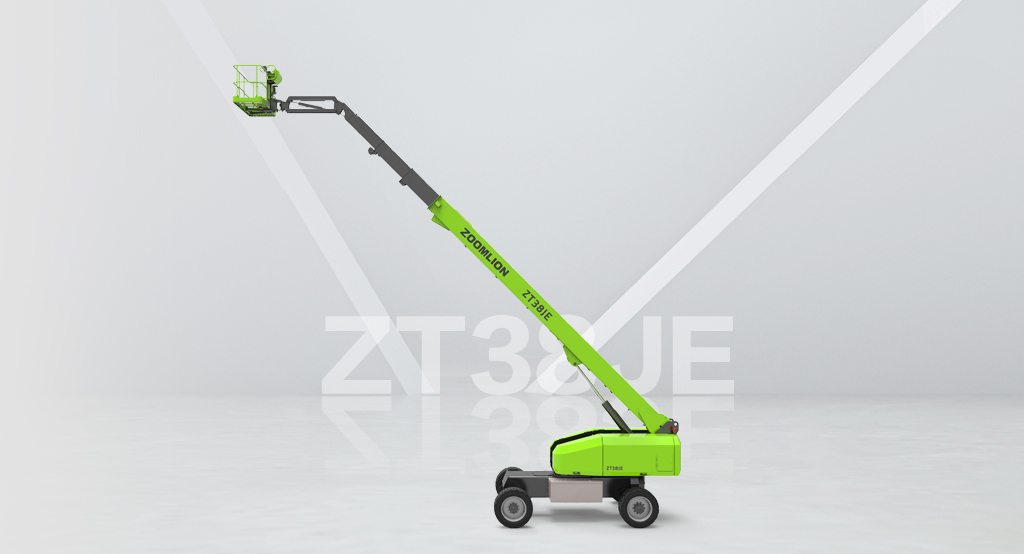
Access equipment procurement becomes more complicated when contractors must source different machines from several suppliers. An elevated work platform may be needed for one phase, while an electric scissor lift may suit another. Managing specifications, quotations, delivery schedules, operator training, spare parts, and service contacts across multiple vendors can increase administrative work. A broader equipment portfolio can give procurement teams another way to structure sourcing.
Why Multi-Supplier Purchasing Can Become Complicated
Different suppliers often use different specification formats, terminology, ordering processes, and service arrangements. Buyers must compare working heights, platform capacities, dimensions, power systems, and operating limitations before determining whether machines are genuinely comparable.
The administrative side can be equally important. Separate suppliers may mean different contacts for quotations, parts, warranty requests, technical questions, and maintenance support. For contractors operating projects across multiple locations, keeping this information organized can become an ongoing procurement task rather than a one-time purchasing exercise.
Standardize the Procurement Process
A standardized equipment specification can make purchasing easier. Procurement teams can define common requirements for working height, platform capacity, machine dimensions, power type, gradeability, turning radius, and transport weight before requesting quotations.
This approach is particularly useful when several machines will perform related tasks. An electric scissor lift, for example, can be compared using consistent criteria across different projects. Standardized specifications also help fleet managers identify where machines can be shared or redeployed when project requirements change.
Match Different Machines to Different Tasks
Broad product coverage does not mean every application should use the same machine. Access requirements vary according to height, outreach, terrain, platform size, indoor or outdoor conditions, and available working space. Procurement teams should first identify the job profile and then select the appropriate equipment category.
An elevated work platform for indoor ceiling installation may have very different requirements from equipment needed for façade construction or high-reach outdoor work. A structured portfolio can allow buyers to select between scissor lifts, boom lifts, telehandlers, and other categories while keeping the supplier relationship more consolidated.
Simplify Technical Comparisons
When equipment comes from multiple manufacturers, technical comparison can become difficult because specifications may be presented differently. One supplier may emphasize working height, while another highlights platform height or outreach. Procurement teams need to understand what each figure represents before comparing machines.
Using a single portfolio can reduce some of this complexity when the manufacturer publishes information consistently across product families. Buyers can compare dimensions, capacities, drive systems, working slopes, and other specifications using a familiar format, while still checking the detailed data applicable to each individual model.
Consider Service Alongside Equipment
Purchasing decisions extend beyond the machine itself. Contractors should examine how service requests, inspections, replacement parts, technical support, and warranty issues will be handled after delivery. These considerations become more important when equipment is used intensively or deployed across multiple project locations.
A supplier with a broader equipment range can potentially reduce the number of service relationships that procurement teams need to coordinate. This does not eliminate the need to verify regional support, response arrangements, parts availability, and training resources. HSE guidance emphasizes proper selection, maintenance, inspection, and training for MEWPs, making after-sales support a relevant procurement consideration.
Review the Full Equipment Portfolio
For procurement teams, portfolio breadth should be evaluated in practical terms. Zoomlion Access states that it provides more than 100 MEWPs across five categories, including scissor lifts, telescopic boom lifts, articulating boom lifts, spider lifts, and telehandlers. Its current website also lists vehicle-mounted boom lifts, vertical mast lifts, and forklifts.
The range includes different power and configuration options within several categories. Scissor lifts are listed in electric and diesel formats, while telescopic boom lifts include electric, diesel, extended-range hybrid, and crawler versions. This breadth can help buyers review multiple equipment requirements within one manufacturer portfolio before adding another supplier to the sourcing process.
How Zoomlion Access Supports Category Coverage
Zoomlion Access currently lists 43 scissor-lift models on its global site, including compact electric machines, lithium-powered models, crawler scissor lifts, and rough-terrain options. Its telescopic boom portfolio includes machines from 20 m-class models to much higher-reaching equipment, while articulating boom lifts and telehandlers provide additional categories for projects with different access and material-handling requirements.
For a contractor seeking an electric scissor lift, this broader structure can simplify the initial sourcing process by making related models available within the same equipment ecosystem. Buyers can then compare the technical requirements of different projects while considering common supplier processes, documentation, and support arrangements.
What Buyers Should Compare Before Consolidating
A broader supplier portfolio should still be evaluated against local project requirements. Procurement teams should compare specification accuracy, certifications, regional service coverage, spare-parts availability, training, delivery capability, and warranty arrangements rather than assuming that portfolio breadth alone solves procurement challenges.
An electric scissor lift may be appropriate for one application while another project requires a different elevated work platform category. Zoomlion Access provides multiple equipment families for such comparisons, allowing buyers to assess whether a consolidated sourcing strategy fits their operational needs and geographic coverage.
Build a More Consistent Purchasing Workflow
Reducing supplier count can simplify administration when equipment requirements overlap, but the process should begin with clearly defined specifications and application needs. Contractors can establish standard comparison criteria, group projects by equipment category, and verify service arrangements before making purchasing decisions.
For organizations evaluating an elevated work platform portfolio, the objective is not simply to buy from fewer companies. It is to create a procurement structure that makes equipment comparison, documentation, service coordination, and fleet planning easier. Zoomlion Access offers broad category coverage that buyers can evaluate against those requirements while maintaining application-specific equipment selection.
