Modern livestock management requires more accurate methods to understand animal movement, pasture conditions, and herd distribution. Traditional observation methods can make it difficult for ranch operators to collect continuous location information, especially across large grazing areas. HKT LORA provides LoRaWAN-based livestock tracking solutions that help businesses improve animal monitoring efficiency through wireless communication technology and location data management.
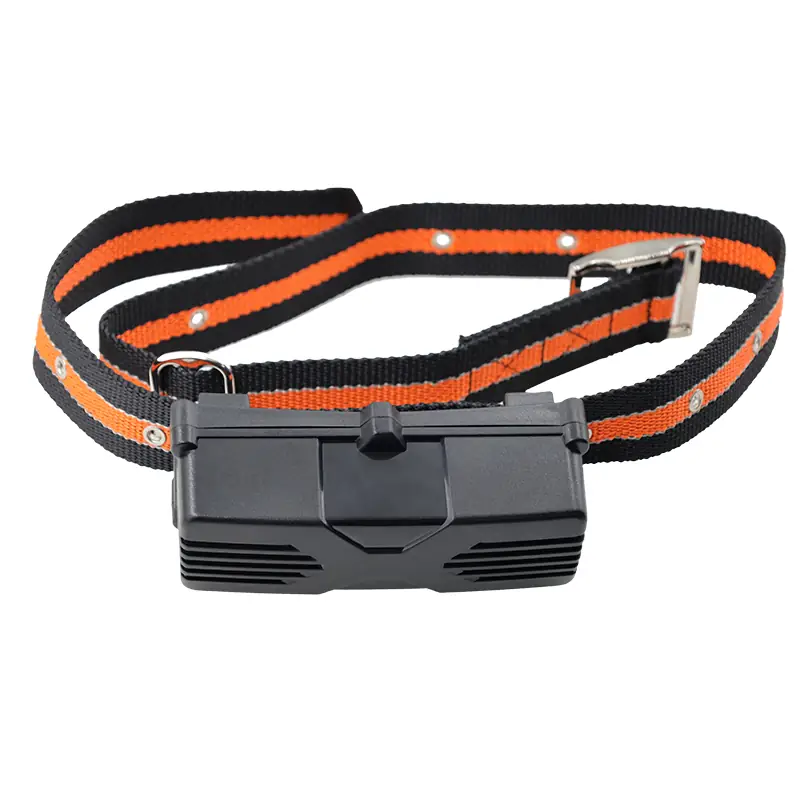
The HKT-GAT-100 LoRaWAN GPS Cattle Tracker is designed for cattle tracking applications by collecting positioning information and transmitting data through LoRaWAN networks. By using location monitoring capabilities, ranch managers can gain a clearer understanding of livestock movement patterns and make more informed decisions regarding pasture management.
Understanding Grazing Patterns Through Location Data Collection
Efficient pasture management depends on understanding how animals use available grazing areas. A lorawan animal tracker helps collect location information from livestock and provides data that can support analysis of movement distribution, activity areas, and herd positioning.
The HKT-GAT-100 uses GPS positioning technology to obtain animal location information. The collected data can be transmitted through a LoRaWAN gateway and connected with management platforms for further monitoring. This approach allows ranch operators to observe livestock locations without relying only on manual inspection.
Continuous location data provides valuable references for understanding whether animals remain within expected grazing zones. When livestock movement changes, managers can review the collected information and evaluate whether adjustments to pasture allocation or management procedures are needed.
Supporting More Efficient Pasture Resource Management
Pasture resources need to be managed carefully to maintain suitable grazing conditions. Uneven grazing distribution may result in some areas being overused while other areas remain underutilized. Location tracking technology can provide additional information to support better pasture planning.
By analyzing livestock movement records, a lorawan animal tracker enables businesses to understand how herds interact with different grazing areas. This information can help identify frequently visited zones and provide references for adjusting grazing strategies.
The purpose of this technology is not to replace agricultural experience but to provide additional operational data. Ranch managers can combine location information with existing knowledge of land conditions, animal requirements, and seasonal changes to improve decision-making.
Combining GPS Monitoring With LoRaWAN Communication
Large ranch environments often require communication solutions that can support wide-area monitoring with efficient power usage. LoRaWAN technology is suitable for applications where connected devices need to transmit data over extended distances while maintaining low power consumption.
The HKT-GAT-100 integrates GPS positioning with LoRaWAN communication capabilities. After collecting location information, the device sends data through compatible LoRaWAN network infrastructure. This allows operators to monitor livestock remotely without requiring direct physical access to every animal.
For agricultural businesses managing extensive areas, wireless connectivity reduces the difficulty of deploying monitoring systems. Instead of depending on complex wiring or frequent manual checks, operators can use network-based solutions to collect livestock information more efficiently.
Identifying Animal Movement Changes Through Data Analysis
Livestock movement can provide important information about daily grazing activities. Changes in movement patterns may indicate changes in environmental conditions, pasture usage, or animal behaviour.
A lorawan animal tracker supports data-based livestock management by providing location records that can be reviewed through connected platforms. Ranch operators can use this information to compare movement trends and understand how animals use different areas over time.
The HKT-GAT-100 also supports functions such as geofencing and remote warning capabilities. These functions allow management systems to identify situations such as animals moving outside predefined areas or unusual location changes that require attention.
Through these monitoring functions, businesses can improve their response speed and reduce the challenges associated with managing livestock across large outdoor environments.
Supporting Efficient Livestock Management Through Remote Tracking
Manual livestock monitoring requires significant time and workforce resources, especially for farms with large herds or wide grazing areas. Remote tracking systems provide another approach by allowing managers to access animal location information through digital platforms.
HKT LORA develops LoRaWAN livestock solutions for practical agricultural applications, including the HKT-GAT-100, a compact tracking device designed for cattle and other livestock management scenarios.
Using a collar-based installation method, the device can be attached to animals for continuous operation, while its built-in lithium-ion battery supports long-term use and helps reduce the need for frequent maintenance. By improving access to livestock location information, the solution can help ranch operators organize daily management tasks more efficiently and reduce unnecessary travel across large properties. At the same time, monitoring data can contribute to more structured grazing management by showing how livestock move within available pasture resources.
Rather than relying solely on occasional observations, operators can consider historical movement information when planning pasture usage and resource allocation. This data-driven approach enables agricultural companies to develop livestock management practices based on actual operational conditions and supports more organized and sustainable ranch operations.
Strengthening Smart Livestock Management Through Connected Technologies
Digital transformation is becoming increasingly important for modern agricultural businesses. Connected livestock management systems combine tracking devices, wireless networks, and data platforms to create more efficient monitoring processes.
HKT LORA provides IoT solutions designed for agricultural and industrial applications, developing LoRaWAN devices that help businesses collect and manage operational data in remote environments. The HKT-GAT-100 LoRaWAN GPS Cattle Tracker combines location technology with wireless communication to support remote livestock tracking, geofencing, and data-based management.
By providing greater visibility into animal activities and distribution, the solution can help ranch operators improve monitoring efficiency, support pasture planning, and make more informed operational decisions. Through products such as the HKT-GAT-100, HKT LORA continues to develop LoRaWAN-based solutions for smart agriculture applications and helps businesses build connected livestock management systems for modern ranching operations.
Designing Practical LoRaWAN Livestock Tracking Devices for Field Applications
Livestock monitoring across farms and grazing areas requires tracking equipment that can operate efficiently alongside daily animal management activities. Devices need to support reliable location data collection, convenient installation, and communication over distributed agricultural environments. A well-designed tracking solution can help businesses reduce reliance on manual observation while improving visibility across their livestock operations.
The HKT-GAT-100 LoRaWAN GPS Cattle Tracker is designed for cattle and sheep tracking applications. Its compact, cable-free structure and collar-based installation method support practical deployment on individual animals. By combining GPS positioning with LoRaWAN communication, the device provides a wireless approach to collecting and transmitting livestock location information.
