Maintaining consistent oversight of a distributed workforce requires robust infrastructure. Many organizations find that manual spreadsheets fail to account for the complexities of modern work arrangements, often resulting in errors during payroll processing or difficulties in verifying staff location. A reliable time and attendance system provides the structure necessary to monitor hours accurately, ensure compliance with labor regulations, and maintain productivity regardless of where team members are located. By utilizing digital tools, companies gain clarity into their operational needs while supporting the autonomy that staff require.
BIPO offers a cloud-based HRMS designed to simplify workforce management for global organizations. Their platform provides a comprehensive suite of tools that assist HR departments in automating complex administrative tasks, including payroll, leave, and attendance tracking. For teams looking to modernize their operational workflows, a BIPO platform demo can illustrate how these integrated solutions function in practice to reduce manual overhead. By consolidating these functions, they enable HR professionals to focus on strategic initiatives rather than repetitive data entry.
Managing Flexible Schedules Effectively
Hybrid teams often operate across different time zones or varied work hours, making rigid scheduling counterproductive. A high-quality time and attendance system supports the use of core hours, where team members remain available for collaboration, while allowing flexibility around personal responsibilities. This approach ensures that business continuity is maintained without sacrificing employee well-being. By automating the monitoring of these flexible blocks, managers can easily identify attendance anomalies without the need for constant, manual check-ins.
Verifying Presence in a Distributed Environment
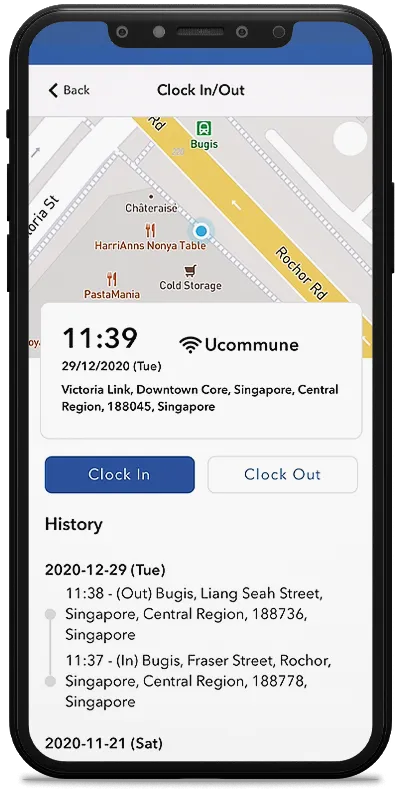
Verifying that employees are working from authorized locations is a common challenge for HR teams managing remote staff. Modern systems address this by utilizing geofencing and mobile clock-in functions, which confirm that attendance logs are accurate and legitimate. This technology eliminates the reliance on traditional punch clocks and manual timesheets. Furthermore, the use of biometric authentication, such as facial recognition, provides an additional layer of security, ensuring that attendance data remains precise and preventing issues related to unauthorized clock-ins.
Data-Driven Workforce Insights
Effective management relies on the ability to interpret attendance data to make informed decisions. A sophisticated time and attendance system generates real-time reports that highlight trends in overtime, attendance patterns, and potential scheduling gaps. These insights allow managers to address issues promptly, such as adjusting shift assignments to prevent burnout or optimizing coverage during peak hours. With a BIPO platform, leadership teams can access this critical data at a glance, fostering a more responsive and efficient organizational structure.
Successfully managing a hybrid team requires a balance of clear policies and reliable technology. By adopting automated solutions, companies can eliminate the friction associated with manual tracking and payroll reconciliations. These tools provide the transparency and efficiency that modern HR teams need to support a productive and satisfied workforce.
