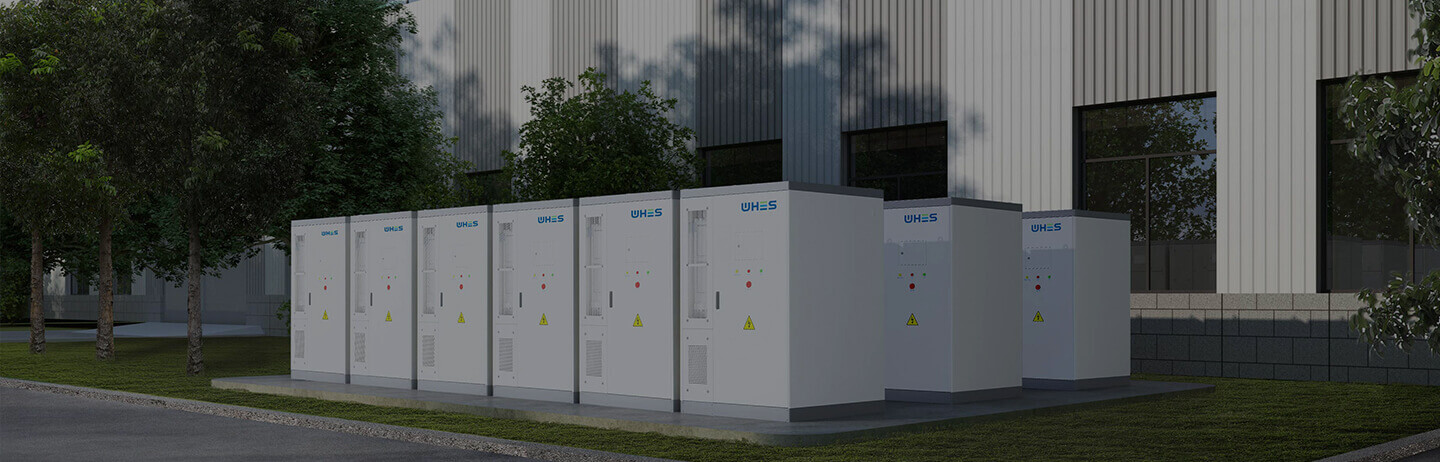
Electricity systems are no longer defined by one-way power delivery. As renewable generation increases and demand patterns become less predictable, electricity storage solutions are emerging as a core layer of modern infrastructure. WHES positions its offerings within this shift, supporting commercial and industrial users that require both stability and flexibility. Instead of relying entirely on grid supply, many businesses are turning to BESS technologies to actively manage how and when energy is used.
From Passive Grids to Active Energy Management
Traditional grids were built for consistency, not variability. However, with solar and wind generation introducing fluctuations, electricity storage solutions now act as a balancing mechanism between supply and demand. A BESS enables energy to be stored during surplus periods and deployed instantly when demand rises. This transition changes the role of energy users—from passive consumers to active participants in energy management. WHES incorporates this concept into its system design, allowing users to respond more dynamically to operational and market conditions.
Practical Applications Driving BESS Adoption
In real-world scenarios, the value of a BESS becomes clear through its applications. Industrial facilities use electricity storage solutions to reduce peak demand charges, while logistics hubs and data centers rely on them for backup power and operational continuity. Rather than a single-use asset, storage systems now support multiple functions simultaneously. WHES develops modular systems that align with these multi-scenario requirements, enabling businesses to scale capacity while maintaining performance across different use cases.
Why the Future Grid Depends on Electricity Storage Solutions
What makes electricity storage solutions essential is not just their technical capability, but their ability to reshape how energy systems operate. A well-integrated BESS reduces dependence on centralized infrastructure and helps mitigate the risks of price volatility and grid instability. WHES supports this transition by delivering adaptable systems that align with long-term energy strategies, giving businesses greater control over both cost and reliability. As the grid evolves, storage will increasingly define how energy is distributed, managed, and optimized.
