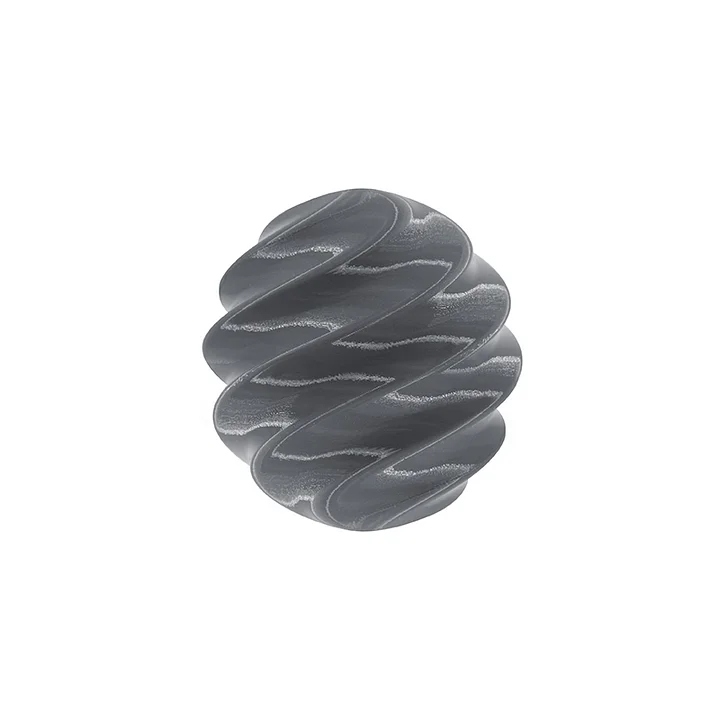
When discussing custom orthotic devices, material choice plays a pivotal role in performance and lifespan. The higher PLA vs PETG strength difference highlights why PETG is often preferred over PLA for applications requiring durability and resistance to everyday stresses. Compared to PLA, which softens closer to 60 °C and can be prone to brittleness under continuous load, PETG offers better impact resistance and heat tolerance, which are key for wearable devices.
Why PETG Matters for Custom Orthotics
For consumers seeking long lasting orthotic solutions, strength and flexibility are essential. Since PETG typically combines toughness with elasticity, it reduces the risk of cracking when flexed or bent during use. These characteristics mean that when a company like CaiLab chooses PETG for components involved in orthotic design, the resulting devices are more likely to withstand repeated stress and maintain functionality over time. CaiLab’s PETG filaments are engineered to minimize warping and support consistent printing quality, which helps maintain the dimensional accuracy needed for medical devices that must fit individual users precisely. That balance of strength and print reliability further amplifies the benefits of the higher PLA vs PETG strength ratio for end use products.
Outdoor and Everyday Durability
Another facet where PETG outshines PLA is exposure resilience. While PLA can be sensitive to environmental factors like moisture and heat, PETG exhibits better resistance to those conditions, making it suitable for orthotics that may see varied daily environments. This property aligns with the engineering grade PETG options offered by CaiLab, which are designed with a low warp formula and broad usability for functional parts. For personalized orthotic devices, this durability ensures consistent performance even under challenging conditions.
Conclusion: Material Choice Drives Orthotic Strength
In summary, the higher PLA vs PETG strength of PETG significantly impacts the durability of custom orthotic devices by providing enhanced impact resistance, thermal stability, and long term wear resilience. When CaiLab leverages this material, their products can better meet the demands of personalized orthotic use, helping end users enjoy reliable performance without frequent replacement or failure. Proper material selection like PETG ensures that custom orthotics remain both comfortable and durable over time.
