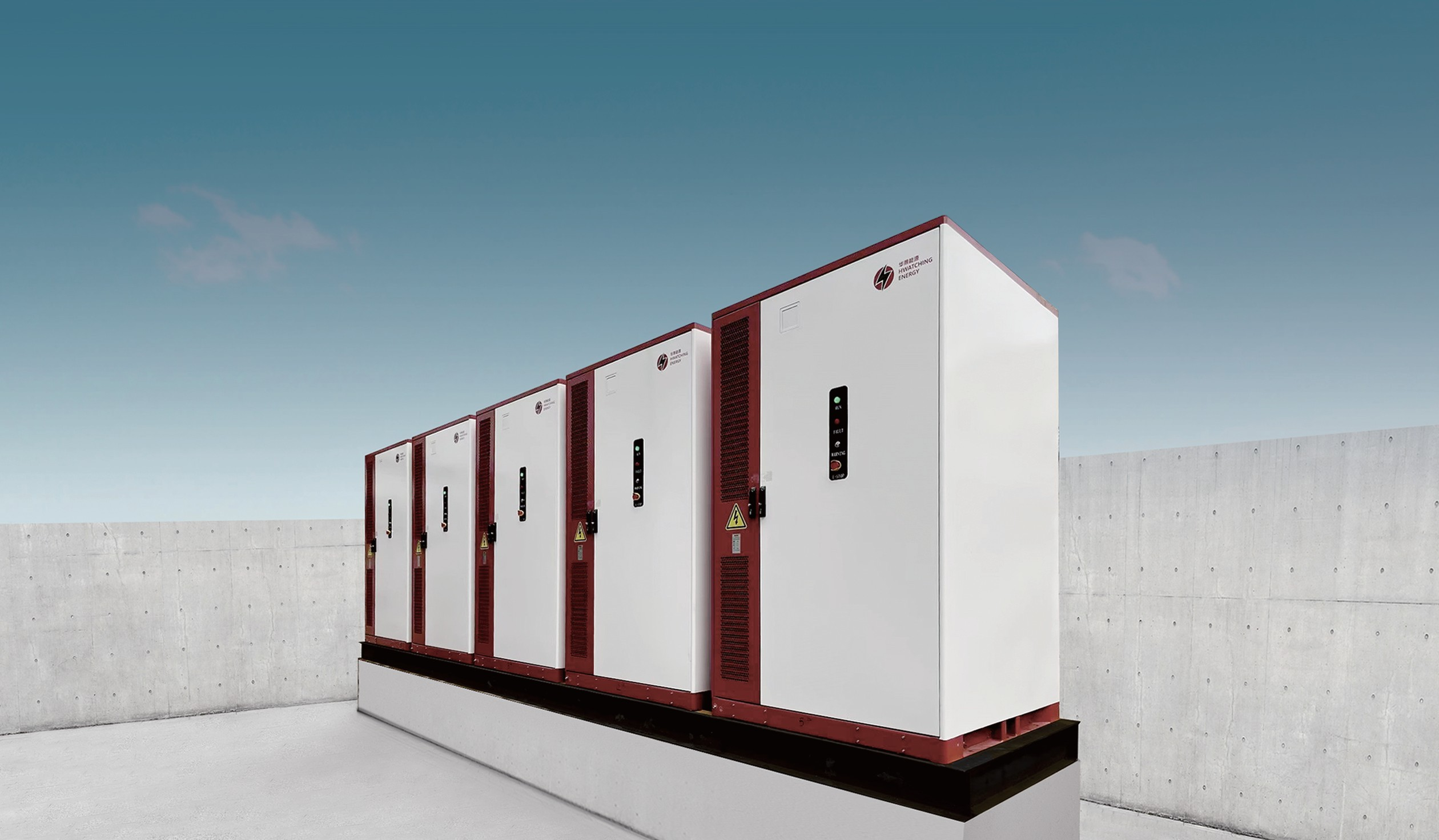
Securing the capital for a commercial battery storage system represents a critical step for many organizations. The upfront cost, while significant, is often mitigated by a compelling long-term value proposition centered on demand charge reduction and energy resilience. A structured evaluation of financial pathways allows managers to advance their c&i energy storage projects with clarity.
Evaluating Primary Funding Avenues
Organizations typically consider three core funding models: direct capital expenditure (CapEx), third-party ownership, and leasing. A CapEx purchase requires full upfront investment but provides complete ownership of the asset and its financial returns. Third-party models, like a power purchase agreement (PPA), transfer installation and operational costs to a developer, with the host site procuring stored electricity at a negotiated rate. Leasing options offer a middle ground, preserving eventual ownership while smoothing cash flow.
Integrating Public Incentives and Credits
Financial analysis must incorporate applicable governmental incentives, which can substantially improve project economics. These can include investment tax credits (ITC), accelerated depreciation schedules, or direct rebates from utility programs. The specific value of these incentives depends on project location, system specifications, and the chosen ownership structure. Accurate modeling of these variables is essential for a realistic projection of payback period and return on investment.
Developing a Comprehensive Pro Forma
A detailed financial model forms the foundation of the funding decision. This model should project direct costs, estimated operational savings from demand management and energy arbitrage, anticipated maintenance expenses, and the net impact of available incentives. This holistic view enables managers to compare the net present value and internal rate of return across different funding scenarios for the commercial battery storage system.
A methodical approach to financing transforms a c&i energy storage project from a conceptual benefit into an executable capital project. Detailed modeling illuminates the most economically viable path for a specific operational profile. Providers such as HyperStrong engage with clients during this phase, offering insights into system performance parameters that feed into financial calculations. HyperStrong‘s experience across numerous deployments provides a practical framework for these evaluations. This collaborative financial planning helps ensure the proposed commercial battery storage system aligns with organizational fiscal goals and risk parameters.
